

“Unsure about the car registration process in California? This comprehensive guide will walk you through every step, ensuring a smooth experience. From understanding the requirements for car registration in the Golden State to navigating the crucial DMV VIN verification, we’ve got you covered. Learn what documents to gather, master the registration process, and prepare for potential issues. By the end, you’ll be ready to hit the road with your newly registered vehicle.”
- Understand the Requirements for Car Registration in California
- Gather Necessary Documents for DMV VIN Verification
- The Step-by-Step Process of Registering Your Vehicle in California
- Common Issues During the DMV VIN Verification Process and How to Resolve Them
- After Completion: What to Expect and Next Steps
Understand the Requirements for Car Registration in California

Before you start the registration process, it’s crucial to understand the requirements for car registration in California. The California Department of Motor Vehicles (DMV) mandates several steps to ensure vehicle authenticity and safety. One key step is the DMV vin verification process, which involves checking the Vehicle Identification Number (VIN) to ensure the car’s history aligns with its current condition. This meticulous inspection helps deter fraud and ensures only legitimate vehicles are registered.
For convenience, many California residents opt for a vin inspection using mobile vin verifier services. These services allow drivers to have their VIN checked remotely, saving time and effort. By utilizing these modern tools, you can streamline the registration process, making it easier to navigate the requirements set by the DMV.
Gather Necessary Documents for DMV VIN Verification
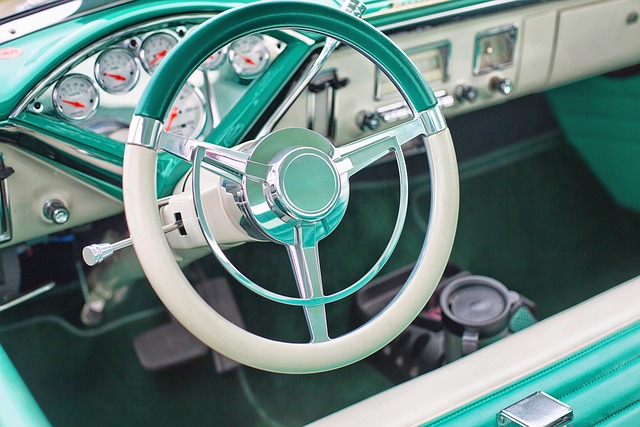
To register your car in California, you’ll need to go through a process known as DMV VIN verification. Before heading to the Department of Motor Vehicles (DMV), make sure you have all the required documents. The most crucial piece is the Vehicle Identification Number (VIN) from your car, which can usually be found on the vehicle’s title or registration documents. Additionally, prepare proof of ownership, such as a purchase agreement or previous registration papers.
For a smoother process, consider having a mobile vin inspection done by a professional. A mobile vin verifier can provide on-site services, ensuring all your documentation is in order and accurately reflecting the vehicle’s details. This service saves time and reduces potential errors, especially if you’re registering an old or classic car that might require extra attention during the vin inspection.
The Step-by-Step Process of Registering Your Vehicle in California

Registering a car in California involves several straightforward steps. First, you’ll need to gather essential documents such as the vehicle’s registration certificate from the previous state, proof of insurance, and your driver’s license. Once you have these prepared, it’s time to visit a California Department of Motor Vehicles (DMV) office or utilize their online services for registration.
The process begins with a DMV vin verification, which includes inspecting the vehicle’s unique identifier (VIN). You can facilitate this step through a mobile vin verifier for added convenience. After successful verification, you’ll complete an application form, providing details about your vehicle and personal information. This is followed by payment of the registration fee, typically done at the DMV or through their website. Upon approval, you’ll receive your California vehicle registration certificate, officially registering your car in the state.
Common Issues During the DMV VIN Verification Process and How to Resolve Them

Many car owners in California encounter challenges when it comes to the Department of Motor Vehicles (DMV) Vehicle Identification Number (VIN) verification process. This crucial step is part of the registration procedure, ensuring vehicle authenticity and safety. Common issues include inaccurate or missing VINs, discrepancies between the vehicle’s records and its physical attributes, and difficulties in verifying the car’s history due to outdated documentation.
To resolve these problems, it’s essential to double-check the VIN before visiting the DMV. Ensure the number is legible and correct. If there’s a discrepancy, contact your local DMV or consider using a mobile vin verifier for a quick and accurate on-site inspection. Keeping vehicle records up to date and regularly checking for any anomalies can also help streamline the verification process.
After Completion: What to Expect and Next Steps

After successfully completing the registration process at the DMV, it’s important to understand what happens next and what to expect regarding your vehicle’s documentation. You’ll receive a set of documents that confirm your car’s registration status, including a Vehicle Identification Number (VIN) confirmation from the DMV, which is crucial for future reference. This VIN verification is a critical step in ensuring the legitimacy of your vehicle’s ownership and history.
The next steps involve integrating this new information into your daily routine. Keep your registration documents secure and easily accessible. If you’ve opted for a mobile vin verifier or conducted a mobile vin inspection, ensure these digital records are saved and updated to match the official DMV documentation. This proactive approach will make future transactions, such as insurance claims or selling your vehicle, smoother and less stressful.
Registering a car in California involves understanding specific requirements and gathering essential documents, including proof of insurance and a valid VIN (Vehicle Identification Number) from the DMV. The step-by-step process ensures a smooth transaction, while being prepared for potential issues during the dmv vin verification can expedite resolution. Once complete, you’ll receive your registration materials and can hit the road legally. Remember to keep your documents up-to-date for future reference and to maintain compliance with California’s vehicle registration regulations.