

Looking to register your car in California? This comprehensive guide walks you through every step, from understanding key requirements for car registration in California to completing the process at a DMV office. We’ll highlight the importance of VIN verification and gathering necessary documents. By following these clear instructions, you’ll be on your way to ensuring a smooth and efficient vehicle registration experience.
- Understand the Requirements for Car Registration in California
- Gather Necessary Documents for VIN Verification
- Conduct a Vehicle History Report and VIN Check
- Visit a California Department of Motor Vehicles (DMV) Office
- Complete the Registration Process and Pay Fees
Understand the Requirements for Car Registration in California

Before diving into the registration process, it’s crucial to understand the requirements for car registration in California. This includes ensuring your vehicle meets all safety and emissions standards set by the state. One key aspect is a thorough vin verification, which involves checking the vehicle identification number (VIN) to confirm its authenticity and history. A mobile vin verifier or vin inspection can streamline this process, making it more convenient for California residents.
During registration, you’ll need valid documentation such as proof of ownership, current insurance, and a completed application form. Additionally, your vehicle must pass an emissions test conducted by authorized stations to ensure it meets the state’s environmental standards. Understanding these requirements beforehand saves time and effort, making the car registration process in California smoother for all involved.
Gather Necessary Documents for VIN Verification

Before you start the registration process, ensure you have all the required documents for VIN verification. The California Department of Motor Vehicles (DMV) needs a valid Vehicle Identification Number (VIN) to validate your vehicle’s authenticity and history. Gather the following:
1. Your vehicle’s title or registration certificate from the previous state (if applicable).
2. A current insurance card displaying the vehicle’s policy number.
3. Your driver’s license or state-issued ID card.
4. If you’ve recently purchased a used car, get a copy of the bill of sale and any available service records.
5. For classic cars or those with unique modifications, be prepared to provide additional documentation.
Additionally, consider hiring a mobile vin inspection service or using a mobile vin verifier for convenience. These services offer on-site VIN verification, saving you a trip to the DMV.
Conduct a Vehicle History Report and VIN Check

Before diving into the registration process, it’s crucial to conduct a thorough vehicle history check. One essential step is performing a Vehicle History Report and VIN (Vehicle Identification Number) check. This process involves obtaining a detailed report that includes information about the car’s past, such as accident history, ownership details, and any outstanding issues. A reliable way to do this is through an online service or a mobile vin verifier app, which allows you to quickly and easily verify the vehicle’s identification number.
The VIN inspection plays a vital role in ensuring that the car you’re planning to register is free from any legal or safety issues. By cross-referencing the data with reputable databases, you can protect yourself from potential problems and make informed decisions before committing to the registration process. This initial step will help streamline subsequent procedures, making your car registration in California more efficient.
Visit a California Department of Motor Vehicles (DMV) Office

To begin the registration process for your car in California, the first step is to visit a local California Department of Motor Vehicles (DMV) office. This is where you’ll initiate several essential procedures, including VIN verification. A Vehicle Identification Number (VIN) is unique to every vehicle and acts as its fingerprint. A mobile vin verifier or a vin inspection service can be utilized to ensure the accuracy of this number, which is crucial for identifying your car’s make, model, year, and other important details.
At the DMV, you’ll need to present necessary documents like proof of ownership, identification, and current insurance. Staff will guide you through the registration process, including any additional fees or requirements. This in-person visit ensures that all information is accurate and up-to-date, which is vital for a successful car registration in California.
Complete the Registration Process and Pay Fees
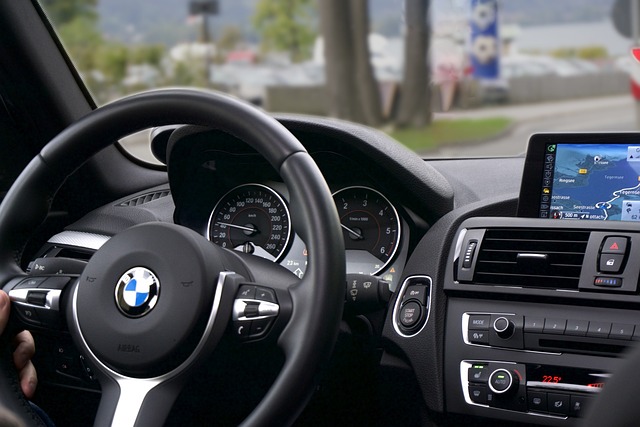
After gathering all necessary documents and ensuring your vehicle meets California’s requirements, it’s time to complete the registration process. You can do this online through the DMV website or in-person at a local California DMV office. Both methods require submitting an application form along with proof of insurance and any applicable fees.
When registering your car, you’ll need to undergo a vin verification process. This typically involves providing the vehicle identification number (VIN) for your car, which can be found on the vehicle’s certificate of origin or on the driver’s side door jamb. For added convenience, consider opting for a mobile vin inspection or vin inspection service, allowing you to complete this step without visiting a DMV location. Once your VIN is verified and all other requirements are met, you’ll be issued a registration certificate and license plates for your vehicle.
Registering a car in California involves understanding the requirements, gathering essential documents for VIN verification, conducting a vehicle history report and VIN check, visiting a DMV office, and completing the registration process with associated fees. By adhering to these steps and ensuring accurate VIN verification, you’ll be well on your way to legally owning and operating your vehicle in The Golden State.