

Looking to register your car in California? This comprehensive guide breaks down the process, ensuring a smooth experience. From understanding eligibility requirements to gathering essential documents and navigating the role of the DMV’s VIN Verifier, we’ve got you covered. We’ll walk you through each step, from initial registration to post-registration follow-ups, empowering you with all the knowledge needed to successfully register your vehicle in The Golden State.
- Understand Eligibility Requirements for Car Registration in California
- Gather Necessary Documents Before Visiting the DMV
- The Role of the Vehicle Identification Number (VIN) Verifier at the DMV
- Step-by-Step Guide to Registering Your Car at the California DMV
- Post-Registration: Important Follow-Up Steps and Considerations
Understand Eligibility Requirements for Car Registration in California

Before you begin the registration process, it’s crucial to understand who is eligible for car registration in California. To register a vehicle, you must be the owner and have a valid California driver’s license. Additionally, your vehicle must meet specific safety and environmental standards set by the state. One key step before registration is to obtain a Vehicle Identification Number (VIN) verification from a trusted source like a DMV VIN verifier or mobile VIN inspector. This process ensures that your vehicle’s unique identifier matches the information on record, enhancing security and preventing fraud.
Another important consideration is ensuring your vehicle has the necessary documents in order. This includes proof of insurance, paid registration fees, and any applicable emissions test certificates. If you’re registering a new car, you’ll need to present the manufacturer’s certificate of origin (MCO) or a bill of sale from the dealer showing the sale price. For older vehicles, other documentation may be required to prove ownership and eligibility for registration.
Gather Necessary Documents Before Visiting the DMV
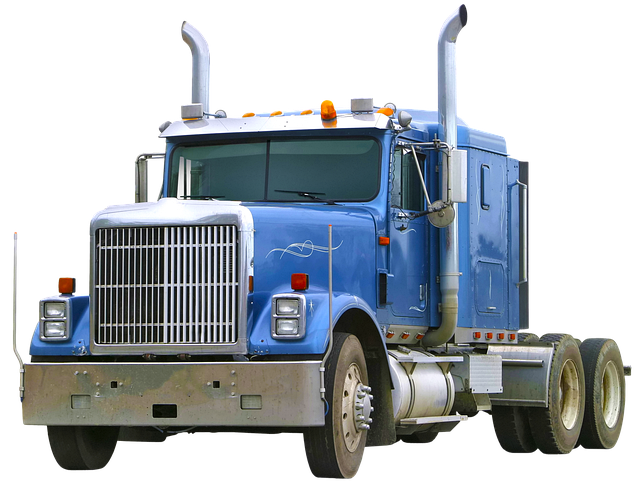
Before visiting the DMV to register your car in California, make sure to gather all necessary documents and information. This includes your vehicle’s Registration Application (Form DMV-123), proof of insurance, and a valid driver’s license. Additionally, you’ll need the Vehicle Identification Number (VIN) from your car, which can be found on the vehicle’s title or its engine block. Utilize a reliable DMV VIN verifier or mobile vin verifier to ensure the accuracy of this crucial detail.
For a smooth registration process, consider conducting a vin inspection beforehand. This step is especially important if you’re buying a used car, as it helps verify the vehicle’s history and ensures there are no outstanding issues. A mobile vin verification service can be a convenient option, allowing you to complete this task remotely. With all your documents in order, you’ll be better prepared to navigate the registration process at the DMV efficiently.
The Role of the Vehicle Identification Number (VIN) Verifier at the DMV

When registering a car in California, the Vehicle Identification Number (VIN) Verifier plays a crucial role at the DMV. This specialist is responsible for verifying the authenticity and integrity of the VIN, which is a unique code etched into every vehicle. The VIN is essential for identifying the car’s make, model, year, and other critical specifications, ensuring that the vehicle meets all safety and environmental standards.
The DMV’s VIN Verifier conducts a thorough inspection, often using advanced tools like mobile vin verifiers or performing a manual vin inspection to cross-reference data with their records. This step is vital in preventing fraud and ensuring that only legitimate vehicles are registered. Additionally, this process helps in maintaining the accuracy of vehicle histories, which is crucial for insurance claims, title transfers, and other legal procedures.
Step-by-Step Guide to Registering Your Car at the California DMV

Registering a car in California is a straightforward process when you follow these steps at your local Department of Motor Vehicles (DMV) office or online through the official DMV portal. Before heading to the DMV, ensure that you have all necessary documents, including your vehicle’s registration from the previous state, proof of insurance, and a valid driver’s license.
Here’s a step-by-step guide:
1. Prepare Required Documents: Gather important paperwork such as your vehicle’s title, which includes the Vehicle Identification Number (VIN) to ensure accurate verification. You’ll also need proof of identity, residency, and insurance.
2. Submit Application: Visit the California DMV website or go in-person to fill out Form DVW-140, ‘Application for Title and Registration’. Provide your vehicle’s details, including the VIN, which can be quickly verified using a trusted DMV vin verifier or even through a simple vin inspection.
3. Pay Fees: Calculate and pay all applicable fees, including registration, title transfer (if applicable), and any tax charges. You can usually pay by cash, check, or credit card.
4. Receive Registration: Once processed, you’ll be issued a new California vehicle registration sticker and a certificate of ownership, replacing your old documents from the previous state. If you’ve opted for mobile vin verification, ensure this step was successful to avoid any potential delays.
Post-Registration: Important Follow-Up Steps and Considerations

After successfully registering your car with the California DMV, there are several important follow-up steps to ensure a smooth ownership experience. One crucial aspect is conducting a Vehicle Identification Number (VIN) inspection or verification, often referred to as a VIN check. This process involves using a reliable service, such as a mobile VIN verification tool, to cross-reference your vehicle’s unique VIN with authoritative databases. By doing so, you can confirm the vehicle’s history, previous owners, and ensure it hasn’t been reported stolen or has any outstanding issues.
Additionally, keeping up with regular maintenance and promptly addressing any required repairs is essential. Regularly checking for recalls specific to your vehicle model is also a good practice. Remember, timely action on these matters not only ensures the safety of your vehicle but also maintains its value over time.
Registering a car in California is a straightforward process, provided you meet all eligibility requirements and gather necessary documents. The Vehicle Identification Number (VIN) Verifier at the DMV plays a crucial role in ensuring your vehicle’s authenticity. By following the step-by-step guide outlined in this article, from gathering docs to post-registration considerations, you’ll be on your way to legally registering your car with minimal hassle. Remember to consult the DMV vin verifier for accurate and efficient service.