

Registering a car in California is a necessary step for any new vehicle owner, yet the process can be complex and time-consuming. Many individuals face challenges navigating the requirements, often relying on guesswork or leaving tasks uncompleted due to uncertainty. To streamline this procedure, understanding the meticulous steps involved is key. This authoritative guide will walk you through each critical stage, ensuring a seamless experience. We’ll highlight the importance of accurate documentation, including the verification of your Vehicle Identification Number (VIN) using reliable tools, to prevent fraud and ensure compliance with state regulations.
- Prepare Necessary Documents for Car Registration in California
- Understand California's Unique VIN Verifier Requirements
- Visit a Designated DMV Location or Use Online Services
- Pay the Registration Fees and Sales Tax
- Verify Your Car's Eligibility and Complete the Process
Prepare Necessary Documents for Car Registration in California

Before you can register your car in California, you’ll need to gather a crucial set of documents and ensure your vehicle meets all state requirements. This process involves verifying critical information, including the Vehicle Identification Number (VIN). In California, this often entails utilizing a mobile VIN verifier or performing a VIN inspection to confirm the vehicle’s authenticity and history.
A key step is obtaining an accurate and up-to-date vehicle history report. You can access these reports through online platforms that provide detailed information about your car’s past ownership, accidents, and maintenance records. Additionally, some services offer mobile VIN verification, allowing you to check a vehicle’s history using just its VIN. This digital tool can be particularly useful in today’s world, where convenience and efficiency are paramount.
Another essential document is proof of insurance. California law mandates that all vehicles on the road have valid auto insurance. You’ll also need a bill of sale or purchase agreement if you’ve recently bought the car. These documents collectively ensure a smooth registration process. Remember, having a comprehensive understanding of these requirements and proactively gathering the necessary paperwork can save you time and potential hassle when registering your vehicle in California.
Understand California's Unique VIN Verifier Requirements

California’s unique VIN (Vehicle Identification Number) verifier requirements can seem complex, but understanding them is crucial for a successful car registration. Unlike other states, California mandates mobile VIN verification during the registration process. This means a trained professional must inspect and validate your vehicle’s VIN using specialized equipment, often conducted at your location of choice. The primary goal is to ensure accuracy and deter fraud, which is why this step can’t be bypassed.
A key aspect to grasp is that traditional static VIN inspection facilities aren’t sufficient for California registrations. Instead, you’ll need a mobile VIN verifier who possesses the necessary credentials and technology to perform this service. These verifiers are trained to cross-reference your vehicle’s data with manufacturer records, checking for any discrepancies or signs of tampering. For instance, they can verify that the VIN etched on the vehicle matches the one listed in its title and other documentation. This meticulous process ensures that every car on California roads has an authentic and unaltered identification number.
Consider using a mobile VIN inspection service to streamline the registration process. These services not only provide on-site convenience but also offer immediate feedback, reducing potential delays. Ensure your chosen verifier is registered with the appropriate authorities and uses state-of-the-art equipment for accurate results. By adhering to these guidelines, you’ll be well on your way to a smooth car registration experience in California.
Visit a Designated DMV Location or Use Online Services

To register your car in California, you have two primary options: visit a designated DMV location or utilize online services. Both methods ensure compliance with state regulations, but each offers distinct advantages and considerations. If visiting a physical office, be prepared for potential wait times as these locations can get busy. Bring all necessary documents, including proof of ownership, identification, and vehicle inspection certificates. A mobile VIN verifier can facilitate this process by allowing you to verify your car’s history remotely, ensuring accuracy before arriving at the DMV.
Online registration is generally more efficient and convenient. The California DMV offers a comprehensive online platform where you can submit applications, upload documents, and pay fees digitally. This method is particularly beneficial for those with busy schedules or who prefer the efficiency of technology. To initiate the process, you’ll need a valid driver’s license or ID, proof of vehicle ownership, and a current vehicle inspection report, which can often be obtained through a mobile VIN inspection service. These services provide real-time data, enhancing the accuracy and speed of your registration.
For added convenience, some third-party platforms offer mobile VIN verification, allowing you to check your car’s history from the comfort of your home or on the go. This step is crucial in ensuring that your vehicle meets all safety standards before registration. By leveraging these modern tools, such as mobile VIN inspectors, you can streamline the registration process, saving time and effort while maintaining compliance with California’s stringent regulations.
Pay the Registration Fees and Sales Tax
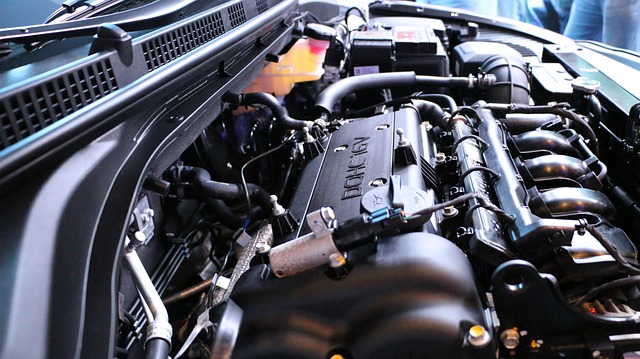
Registering a car in California involves several steps, and one crucial phase is paying the registration fees and sales tax. These costs are essential components of the vehicle registration process, ensuring compliance with state regulations. The California Department of Motor Vehicles (DMV) administers these fees, which cover various expenses related to vehicle management and road maintenance. When you purchase a car, the sales tax is typically calculated as a percentage of the vehicle’s purchase price. This tax varies across different regions in California, so it’s vital to understand the applicable rate in your area.
To streamline the process, many California residents opt for mobile VIN verification and inspection services. These services allow you to validate the vehicle’s history and specifications using your smartphone, ensuring a smoother registration experience. For instance, a mobile VIN verifier can check the vehicle’s past ownership, accident history, and if it has any outstanding recalls, all of which are essential factors in determining the accurate sales tax amount. By utilizing these modern tools, you can save time and avoid potential issues that might arise from inaccurate or incomplete information.
In addition to sales tax, there are also standard registration fees that must be paid. These fees cover the administrative costs associated with registering a vehicle and can vary based on the type of vehicle and its age. It’s advisable to check the DMV’s official website or consult a local automotive expert for the most up-to-date fee structures. When preparing to register your car, ensure you have all the necessary documents, including the vehicle’s title, proof of insurance, and a valid driver’s license. This will facilitate a swift and accurate registration, especially when combined with the convenience of mobile VIN inspection services.
Verify Your Car's Eligibility and Complete the Process

Before registering your car in California, you must first ensure your vehicle meets the state’s requirements. The process begins with verifying your car’s eligibility using its Vehicle Identification Number (VIN). Every vehicle, whether new or used, must pass a VIN inspection to confirm its authenticity and specifications. This step is crucial as it ensures only legal and safe vehicles are on California’s roads. Utilize a reliable mobile VIN verifier to access real-time data, ensuring accuracy and convenience during this initial check.
Once your car passes the VIN inspection, you can proceed with gathering essential documents. These typically include proof of ownership, vehicle registration papers, and valid insurance documentation. It’s recommended to double-check each document’s validity and completeness to avoid delays in the registration process. California offers both online and in-person registration options. Online registration is efficient, allowing you to submit your application, pay fees, and receive your registration documents digitally. Alternatively, you can visit a local Department of Motor Vehicles (DMV) office, where staff will guide you through the process and conduct a thorough inspection of your vehicle and documents.
During registration, expect to provide detailed information about your car, including its make, model, year, and unique VIN. This data is cross-referenced with state records to ensure accuracy. California’s DMV employs advanced systems for mobile VIN verification, enhancing the efficiency and security of the registration process. These systems enable quick cross-references with national databases, minimizing fraud and ensuring a seamless experience for all applicants. Always remain updated on any changes in requirements or procedures by visiting the official California DMV website.
By meticulously preparing the required documents, understanding California’s specific VIN verifier requirements, and either visiting a designated DMV location or utilizing online services, you can seamlessly register your car in California. Key takeaways include ensuring all paperwork is in order, confirming your vehicle’s eligibility through the unique VIN verifier process, and completing the registration with prompt payment of fees and sales tax. This comprehensive guide equips you with the knowledge to navigate the process efficiently, ensuring a smooth and successful car registration experience in this state.