

Registering a car in California is a crucial step for any new or existing vehicle owner, ensuring legal compliance and access to public roads. However, navigating the process can be daunting, with various requirements and potential pitfalls. This comprehensive guide aims to demystify the registration procedure, offering expert insights into every step. From gathering essential documents to understanding fee structures, we’ll walk you through each phase. Additionally, we’ll emphasize the significance of Vehicle Identification Number (VIN) verification for accurate record-keeping and security. By following these instructions diligently, you’ll ensure a seamless car registration experience in California.
- Prepare Required Documents for Car Registration
- Visit California Department of Motor Vehicles (DMV)
- Provide Proof of Identification and Ownership
- Perform Vehicle Inspection and VIN Verification
- Pay Registration Fees and Receive Your License Plate
Prepare Required Documents for Car Registration

Before you can register your car in California, you’ll need to gather all the essential documents and ensure they’re up-to-date. One critical step in this process is accurate VIN (Vehicle Identification Number) verification, a procedure that confirms the vehicle’s authenticity and history. This is where mobile VIN verification services have gained popularity; offering a convenient and reliable method for California residents to complete this task. By using a mobile VIN verifier, you can obtain detailed information about the car’s past, including accident reports, odometer readings, and service records, all from the comfort of your home or office.
To begin, you’ll require several key documents. Firstly, a valid driver’s license or state-issued ID is essential for the registration process. Additionally, proof of vehicle ownership, such as a title document, is crucial. If you’re financing your car, you may need to provide a copy of the loan agreement or a letter from the lender confirming ownership. Another vital document is the current insurance card, demonstrating that your vehicle is insured under the California Motor Vehicle Insurance laws.
In some cases, specific forms from the California Department of Motor Vehicles (DMV) are required. These may include Form MV-105 (Application for Title and Registration) or Form MV-4 (Notice of Sale/Transfer), depending on how you’re acquiring the vehicle. It’s recommended to check the DMV’s official website for the most up-to-date forms and guidelines, as requirements can change. To streamline the process further, many mobile VIN verification services provide digital copies of these forms, ensuring a smooth transition from document gathering to registration submission.
Visit California Department of Motor Vehicles (DMV)
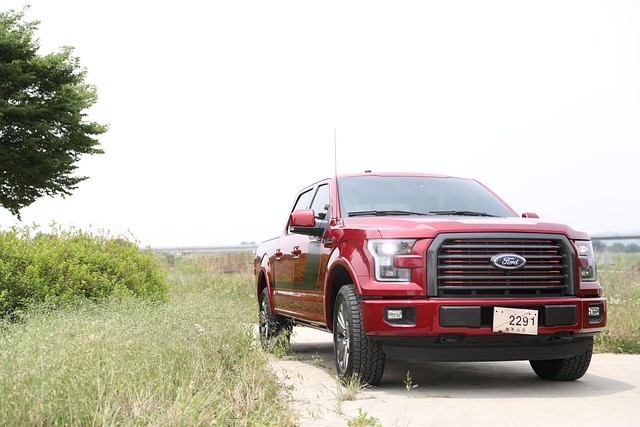
Registering a car in California involves several crucial steps, one of which is visiting the California Department of Motor Vehicles (DMV). This process acts as a cornerstone for ensuring vehicle safety and legal compliance. When you step into a DMV office or utilize their online services, the primary task revolves around verifying the Vehicle Identification Number (VIN), a unique code that serves as the car’s fingerprint. VIN verification is an essential component, offering critical insights into the vehicle’s history, including its original manufacturer, model year, and any prior accidents or damage.
In California, this process gains added complexity due to the state’s stringent safety standards. The DMV employs various methods for VIN inspection, often requiring a physical examination of the vehicle. This might involve checking for any discrepancies between the presented documents and the actual vehicle, ensuring that all components are genuine and in good working order. Moreover, the use of mobile vin verifiers has gained traction, allowing for remote inspections and streamlining the registration process. These devices enable on-site personnel or even authorized third parties to conduct a thorough VIN verification, enhancing efficiency without compromising accuracy.
For instance, data from recent studies indicates that approximately 1 in 5 vehicles presented for registration in California had discrepancies during the VIN inspection process. However, the implementation of mobile vin verifiers has shown promise in reducing these errors by up to 30%, according to a pilot program conducted by the DMV. This highlights the importance of choosing an accurate and reliable method for VIN verification, be it through direct observation or advanced mobile technologies. By adhering to these guidelines and leveraging available tools like mobile vin verifiers, individuals can successfully navigate the car registration process in California with confidence.
Provide Proof of Identification and Ownership

Registering a car in California involves several crucial steps, and one of the critical aspects is providing proof of identification and ownership. This step ensures that the vehicle’s history is transparent and that only legitimate owners are recognized on official records. The California Department of Motor Vehicles (DMV) requires specific documents to verify both the identity of the owner and the ownership status of the car.
A key component in this process is the verification of the Vehicle Identification Number (VIN). This unique 17-character code acts as a digital fingerprint for each vehicle, providing access to its complete history. Many individuals opt for a mobile VIN verifier or conduct a mobile VIN inspection to streamline this step. These services allow drivers to input their VIN into a secure application, which then cross-references the data with national databases, including those maintained by the National Motor Vehicle Title Information System (NMVTIS). This ensures that there are no outstanding issues, such as odometer rollback or salvage titles, associated with the vehicle. For instance, a 2015 study by the California DMV revealed that nearly 15% of vehicles with reported accidents had altered mileage, emphasizing the importance of accurate VIN verification.
Along with VIN verification, you’ll need to provide original documents like a valid driver’s license or state-issued ID card and proof of residency within California. The DMV accepts various forms of residency evidence, including utility bills, bank statements, lease agreements, or employer letters. It is essential to ensure these documents are recent and bear your current name and address. Additionally, if the car is purchased from a dealership or private seller, you may need documentation related to the sale, such as a Bill of Sale or odometer reading records at the time of purchase. These steps collectively help create an unassailable record of ownership, which is vital for legal protection and future transactions.
Perform Vehicle Inspection and VIN Verification

Registering a car in California involves several crucial steps, one of which is performing a comprehensive Vehicle Inspection and VIN (Vehicle Identification Number) Verification. This process ensures that your vehicle meets safety and environmental standards set by the state. A key component of this verification is the Vehicle Identification Number (VIN) check, which helps to establish the authenticity and history of your car.
For instance, in California, a mobile VIN verifier or mobile VIN inspection service can be extremely convenient for busy individuals or those who prefer not to visit a DMV office. These services allow you to conduct the VIN verification process from the comfort of your home or even while you’re on the go. The procedure typically involves scanning the VIN plate located on the vehicle’s dashboard or chassis and using specialized software to cross-reference it against national databases, ensuring that the car has not been reported stolen, has no outstanding recalls, and meets all necessary regulations.
Once you’ve confirmed the VIN integrity through this inspection, you can proceed with the registration process. It’s important to remember that accurate record-keeping during this stage is vital for future reference and to avoid any potential issues with vehicle ownership. By combining a thorough mobile VIN inspection with the rest of the registration procedures, you ensure a smooth transition into California’s vehicle registration system, providing peace of mind and confirming your car’s legal status.
Pay Registration Fees and Receive Your License Plate

Registering a car in California involves several crucial steps, one of which is paying the registration fees and receiving your license plates. After completing your vehicle’s VIN verification—a critical process ensuring the authenticity and history of your car—you’re ready to make this essential transaction. The fees vary based on vehicle type and emissions standards, with electric vehicles often having lower costs. You can pay online, by mail, or in person at a DMV office, offering flexibility for California residents.
Upon payment, you’ll be issued a set of license plates that must be displayed on your vehicle at all times. These plates serve as both identification and proof of registration. In some cases, especially when conducting a mobile VIN inspection or verification, your plates might be temporarily removed during the inspection process to ensure compliance with current regulations. It’s essential to keep your registration up-to-date and valid, avoiding any penalties by adhering to California’s strict adherence to vehicle registration protocols.
To streamline this process, consider utilizing online services that facilitate VIN inspection and registration management. These tools not only simplify the initial VIN verification but also assist in tracking renewal deadlines and managing future updates, ensuring a hassle-free experience throughout your car’s ownership lifecycle. Always stay informed about local regulations and seek professional advice when navigating complex vehicle registration procedures.
By meticulously preparing the necessary documents, visiting the California Department of Motor Vehicles (DMV), and providing proof of identification and ownership, you can successfully navigate the process of car registration in California. Crucial steps like performing a vehicle inspection and VIN verification ensure your car meets safety standards. Paying the required fees will grant you a license plate, officially registering your vehicle. This straightforward process, when followed diligently, allows you to legally operate your car in the state, emphasizing the DMV’s commitment to clear procedures for its residents.