

Registering a car in California is a vital process ensuring legal ownership and access to public roads. However, navigating the paperwork and regulations can be cumbersome, leaving many drivers unsure of where to begin. This comprehensive guide aims to demystify the car registration process, empowering Californians with knowledge. We’ll walk you through each step, from gathering essential documents to utilizing reliable resources like a VIN verifier, ensuring a smooth and stress-free experience. By the end, you’ll be equipped to register your vehicle confidently, securing your place on California’s highways.
- Prepare Necessary Documents for Car Registration
- Locate Your Vehicle's VIN (Vehicle Identification Number)
- Choose a California Department of Motor Vehicles (DMV) Office
- Submit Applications and Pass Required Inspections
- Receive Your Registration and Plate, Maintain Records Updated
Prepare Necessary Documents for Car Registration

Before you can register your car in California, you’ll need to gather all the essential documents, ensuring a smooth and efficient process. The first step involves verifying the vehicle’s unique identifier—the Vehicle Identification Number (VIN). This critical task can be accomplished through various methods, including a mobile VIN inspection or verification service that provides accurate and instant data. Utilizing these modern tools allows you to cross-reference information swiftly, confirming details like the vehicle’s make, model, year, and other specifications.
For instance, many California Department of Motor Vehicle (DMV) services now accept digital documents, streamlining the registration process. You’ll require a valid driver’s license or state ID, proof of residency, and the vehicle’s title—a legal document that shows ownership. Additionally, ensuring your car has passed the necessary emissions and safety inspections is paramount. Some counties in California offer mobile VIN verification services, allowing you to confirm your car’s history remotely, which can be especially convenient for out-of-state purchases.
A key aspect of preparing involves organizing these documents digitally or physically. Create a folder with all relevant paperwork, making it easily accessible. This organization ensures that when you visit the DMV, you have everything on hand, avoiding delays and potential mistakes. It’s advisable to double-check California’s specific requirements, as some details may vary, especially for older vehicles or those with unique ownership histories.
Locate Your Vehicle's VIN (Vehicle Identification Number)
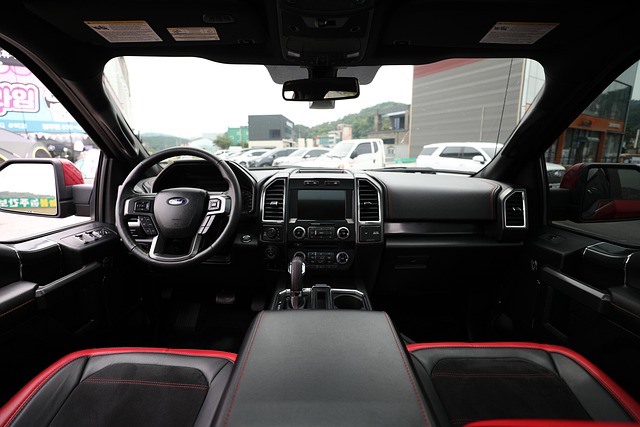
Locating your vehicle’s VIN (Vehicle Identification Number) is a critical step in the car registration process in California. The VIN is a unique code that identifies your car, and it’s essential for proper ownership documentation. You can find this 17-character alphanumeric code on documents like your vehicle title or insurance card, or by checking the driver’s side door frame or engine bay. A reliable vin verifier, whether mobile or stationary, can aid in this process by cross-referencing the provided VIN with national databases to ensure its authenticity and confirm any historical data linked to it.
For instance, a California Department of Motor Vehicles (DMV) report indicates that using mobile VIN verification services can significantly reduce processing times, especially for vehicles with complex histories or when dealing with out-of-state registrations. These services are particularly useful as they allow for remote inspection and instant access to detailed vehicle information, including accident reports, odometer readings, and title history. This data is crucial during the registration process to prevent fraud and ensure a smooth transaction.
When utilizing a mobile VIN verifier, ensure it’s a reputable service with a proven track record of accuracy. Some popular options include applications that use GPS tracking and digital imaging for remote inspection. Always follow the DMV’s guidelines and recommendations when registering your vehicle. By incorporating a thorough VIN inspection, whether through traditional means or leveraging mobile vin verification tools, you’re taking a proactive step in ensuring a legitimate and efficient registration process.
Choose a California Department of Motor Vehicles (DMV) Office
Choosing the right California Department of Motor Vehicles (DMV) office is a crucial step in registering your car smoothly and efficiently. With numerous locations across the state, each equipped with specialized services, understanding the options available can streamline the process significantly. For instance, some DMV offices offer dedicated lines for specific types of transactions, such as license renewals or title transfers, ensuring faster service during peak hours.
When considering where to register your vehicle, factor in accessibility and convenience. If you reside in a bustling urban area like Los Angeles or San Francisco, opt for an office with ample parking and easy access to public transportation. Alternatively, if you live in more suburban or rural regions, mobile VIN inspection services could be advantageous. These services send a trained professional directly to your location, performing a thorough vehicle inspection and VIN verification using state-of-the-art technology, such as a mobile VIN scanner. This option eliminates the need for back-and-forth trips, saving you valuable time.
Moreover, some DMV offices offer specialized services tailored to specific vehicle types or needs. For example, if you’re registering an antique vehicle, look for offices with expertise in handling historical vehicles, which may streamline the process and ensure proper documentation. Similarly, electric vehicle owners can benefit from dedicated resources that expedite the registration of low-emission vehicles.
Remember, efficient registration involves more than just choosing the right office; it’s also about being prepared. Assemble all necessary documents, including your vehicle’s title, proof of insurance, and valid identification. By arriving organized, you’ll contribute to a swift and hassle-free registration experience, whether you opt for a traditional DMV visit or leverage convenient mobile VIN inspection services.
Submit Applications and Pass Required Inspections
After gathering all necessary documents, the next crucial step in registering your car in California involves submitting applications and passing required inspections. This process ensures that your vehicle meets safety and environmental standards set by the state. One of the key requirements is a Vehicle Identification Number (VIN) verification, which can be efficiently handled through professional mobile VIN inspection services. These services send a trained specialist to your location, using advanced tools to validate the VIN accuracy and conduct a thorough check of your car’s history.
For instance, in California, a mobile VIN verifier can cross-reference your vehicle’s information with national databases, providing insights into its past ownership, accident records, and any outstanding recalls or legal issues. This is particularly important as California has stringent regulations regarding the re-registration of vehicles with altered or damaged VINs. By engaging a reputable mobile VIN inspection service, you ensure compliance from the outset, avoiding potential delays or penalties later in the registration process.
Successful completion of these inspections clears the way for submitting your application at the Department of Motor Vehicles (DMV). It’s advisable to double-check that all documents are in order and accurate before proceeding. This includes ensuring your vehicle passes the state’s emissions test, if applicable, as well as meeting safety standards. Remember, a meticulous approach at this stage can save you valuable time and hassle later on.
Receive Your Registration and Plate, Maintain Records Updated

Upon completing the registration process in California, you’ll receive your vehicle’s registration certificate along with a set of license plates. It’s crucial to ensure these documents are securely stored and readily accessible. The California Department of Motor Vehicles (DMV) recommends keeping them in your vehicle at all times for easy reference during inspections or stops by law enforcement.
To maintain compliance, regularly update your records, especially after any changes to your vehicle’s ownership or details. If you’ve opted for a mobile VIN inspection or used a service like a mobile VIN verifier, ensure these records are saved and can be easily retrieved. This could include digital copies of your registration, title, and any maintenance or repair records relevant to your vehicle’s history. Keeping accurate, up-to-date documents not only facilitates efficient registration renewals but also serves as invaluable proof of ownership and maintenance if ever needed.
Consider setting reminders for yourself to review and update these records at specific intervals, such as during annual registration renewals or after significant changes to your vehicle’s mileage or components. This proactive approach ensures you’re always prepared should you need to prove your vehicle’s authenticity or maintain its legal status in California.
By meticulously preparing your documents, locating your vehicle’s VIN verifier, choosing the right California DMV office, submitting applications, passing inspections, and receiving your registration and plate, you’ve successfully navigated the process of registering your car in California. Maintaining up-to-date records is key to ensuring a smooth ownership experience. This authoritative guide has provided clear insights into each step, empowering you with the knowledge to confidently complete the registration process efficiently and accurately.