
Registering a car in California involves navigating a series of steps, which can be both complex and time-consuming for new vehicle owners. Ensuring proper compliance is crucial to avoid legal issues and maintain your vehicle’s integrity. The process often presents challenges, especially with the constant changes in regulations. This comprehensive guide aims to demystify the registration procedure, offering a step-by-step approach to ensure accuracy. We’ll emphasize the significance of Vehicle Identification Number (VIN) verification for a smooth experience, providing expert insights tailored specifically to California’s requirements.
- Gather Necessary Documents for Car Registration
- Choose an Appropriate California Vehicle Registration Class
- Verify the Vehicle's VIN (Vehicle Identification Number)
- Submit Application and Required Fees to DMV
- Receive and Maintain Your California Registration Certificate
Gather Necessary Documents for Car Registration

Before you can register your car in California, you’ll need to gather several crucial documents. This process is essential for ensuring a smooth registration experience and verifying your vehicle’s authenticity. One of the primary requirements involves performing a Vehicle Identification Number (VIN) verification. The VIN is a unique code imprinted on the vehicle’s chassis, accessible through the dashboard or engine bay. In California, this verification can be conducted through a mobile VIN inspection, providing convenience and accuracy.
For instance, when buying a used car, the seller should provide you with documents including the Vehicle Title, which confirms ownership, and the Certificate of Origin (CO), which details the vehicle’s manufacturing information. Additionally, you’ll need proof of insurance, a valid driver’s license, and registration fees. If importing a vehicle, you might require an Import Document or a Bill of Sale from the exporter.
Performing a mobile VIN inspection can simplify this process significantly. It allows California Department of Motor Vehicles (DMV) representatives to verify your vehicle’s details remotely, including its history and whether it has any outstanding issues. This method not only saves time but also enhances accuracy, as it reduces the risk of errors or discrepancies that could arise from manual checks. Ensure you have accurate and up-to-date documentation to streamline the registration process.
Choose an Appropriate California Vehicle Registration Class

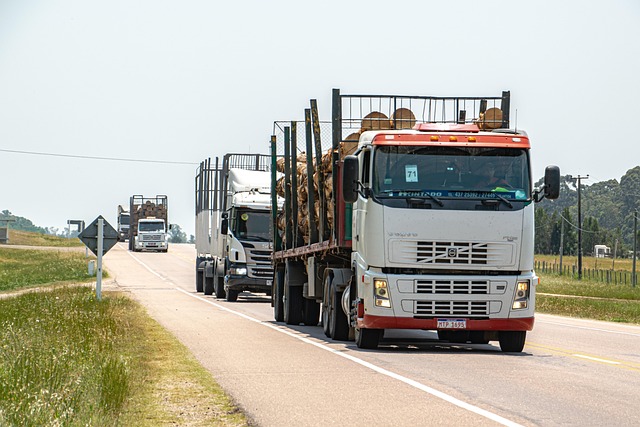
Choosing the right California vehicle registration class is a crucial step in ensuring your car’s legal status on the state’s roads. California offers several classes tailored to different types of vehicles, each with specific requirements and benefits. The primary factor that determines the appropriate class is the Vehicle Identification Number (VIN) inspection, which includes verification processes like mobile VIN verification. This ensures accuracy and prevents registration fraud. For instance, a Class A registration is suitable for large trucks and buses, requiring a rigorous inspection due to their potential impact on safety and emissions.
On the other hand, Classes B and C cater to lighter vehicles such as cars, motorcycles, and recreational vehicles (RVs). Here, a basic VIN inspection is conducted, often facilitated by mobile VIN verifiers, to check for any reported theft or outstanding issues. For example, if you’re registering an imported vehicle, additional documentation and inspections might be necessary, underscoring the importance of consulting official guidelines. Mobile VIN verification services have revolutionized this process, offering convenience and speed while ensuring compliance.
When selecting a class, consider your vehicle’s type, age, and purpose. Official California Vehicle Code provides clear guidelines, with regular updates to incorporate technological advancements. For instance, recent changes have accommodated the rise of electric vehicles (EVs) with dedicated registration classes, reflecting their unique characteristics and safety considerations. It’s advisable to stay informed about these updates to make an accurate choice, ensuring a smooth registration process without unnecessary delays.
Verify the Vehicle's VIN (Vehicle Identification Number)

Verifying a vehicle’s VIN (Vehicle Identification Number) is a critical step in the car registration process in California. This unique 17-character code acts as a fingerprint for your vehicle, providing essential information about its make, model, year, and even manufacturing defects. Proper VIN verification ensures that you’re registering the correct vehicle, which is crucial to avoid legal issues and potential safety hazards.
In California, you’ll need to obtain a mobile VIN inspection or use a mobile vin verifier to ensure the accuracy of the VIN. These services offer convenience by allowing you to verify the VIN without visiting a dealership or DMV office. Many mobile vin verification apps and services are available, leveraging GPS technology and databases to cross-reference your vehicle’s data. For instance, the California Department of Motor Vehicles (DMV) recommends using trusted third-party apps that have been verified for accuracy, ensuring a seamless and reliable process.
During VIN verification, ensure you have access to the 17-character code, typically found on the vehicle’s driver-side door frame or in the engine bay. The data provided by a successful VIN check includes detailed specifications and recall information specific to your car. This verification is not just about meeting a legal requirement; it empowers you as a vehicle owner with valuable insights into your car’s history and potential issues, enabling proactive maintenance and safety measures. For instance, knowing if there are outstanding recalls related to safety components can help ensure your vehicle meets current safety standards.
Submit Application and Required Fees to DMV

To register your car in California, after gathering all necessary documents and ensuring your vehicle meets state standards, it’s time to submit your application and fees to the Department of Motor Vehicles (DMV). This crucial step involves a straightforward process, but attention to detail is paramount. Begin by completing the Application for Title and Registration (Form DMV-140), available online or at any DMV field office. Fill it out meticulously, double-checking all information for accuracy.
The core of this procedure revolves around vin verification. The California DMV requires a valid mobile vin inspection or mobile vin verification to ensure the vehicle’s identity and history. This process involves scanning the Vehicle Identification Number (VIN) to cross-reference it with industry databases, confirming its authenticity and condition. Many private companies now offer these services, often conducted by trained professionals who can perform a mobile vin verifier visit at your convenience. Ensure the chosen service provider is reputable and authorized to expedite the registration process without complications.
Once your application and vin verification are in order, package all documents, including proof of insurance, payment for fees, and any required forms. Submit this bundle to your nearest DMV office. The staff will review your application, validate the vin verification results, and process your car’s registration. It’s advisable to verify with them if additional documentation or corrections are needed. This meticulous approach ensures a smooth registration process, allowing you to hit California’s roads legally and with confidence.
Receive and Maintain Your California Registration Certificate
Receiving and maintaining your California registration certificate is a critical step after registering your vehicle. This document serves as official proof of ownership and is essential for legal compliance on California roads. To ensure its accuracy and validity, it’s crucial to understand the process of obtaining and preserving this certificate.
One effective method for confirming your car’s details before and during registration is through a VIN (Vehicle Identification Number) verification. In California, utilizing a mobile VIN verifier can simplify this process significantly. These portable tools allow for quick and convenient checks of a vehicle’s history, including its previous ownership, accident records, and outstanding liens. By performing a VIN inspection early in the registration process, you can identify any potential issues that might delay or complicate the registration. For instance, data from the National Motor Vehicle Title Information System (NMVTIS) shows that nearly 20% of vehicles with reported fraud or salvage titles were never properly disclosed to subsequent owners without proper VIN verification.
Regularly updating and safeguarding your California registration certificate is equally important. Keep your certificate in a secure location, easily accessible yet protected from damage or loss. It’s recommended to store it alongside your vehicle’s service records and insurance documents. Additionally, be mindful of renewal deadlines; failing to renew on time can result in penalties and legal complications. Many counties in California offer online renewal services for added convenience. If you opt for a mobile VIN inspection at renewal, ensure the verifier is reputable and reliable, as some less-scrutinized apps may provide inaccurate or incomplete data. This step not only ensures your compliance with California’s registration requirements but also fosters a smoother driving experience.
By meticulously gathering essential documents, selecting the correct vehicle registration class, verifying the crucial Vehicle Identification Number (VIN verification), and submitting applications with the required fees to the DMV, you can successfully register your car in California. Maintaining your Registration Certificate is paramount for legal compliance and convenience when conducting future transactions or addressing any issues that may arise. This structured approach ensures a seamless process, empowering you to navigate California’s registration requirements confidently and efficiently.