

Registering a car in California is a critical process ensuring legal operation on state roads. However, navigating the procedures and paperwork can be daunting for many new vehicle owners. This comprehensive guide aims to demystify the process, providing step-by-step instructions tailored to California’s unique requirements. We’ll delve into everything from gathering essential documents to understanding fees, emphasizing the significance of accurate Vehicle Identification Number (VIN) verification for a seamless registration experience. By following these expert-crafted steps, you’ll be well-equipped to efficiently and accurately register your vehicle in the Golden State.
- Prepare Required Documents for Car Registration
- Gather Information: Vehicle Identification Number (VIN) Verification
- Choose an Appropriate California Motor Vehicle Office
- Submit Application and Pay Registration Fees
- Receive Your Vehicle's Registration Certificate
Prepare Required Documents for Car Registration

Before you can register your car in California, you’ll need to gather a number of important documents. This process is crucial for ensuring the legitimacy of your vehicle and securing your legal right to drive it on public roads. The first step involves verifying the Vehicle Identification Number (VIN) through a reliable method like mobile VIN verification or using a trusted VIN inspector. This critical step confirms that your car matches the information listed in the California Department of Motor Vehicles’ (DMV) records. Many residents opt for mobile VIN verifiers, which can be easily accessed via smartphone apps and offer convenient, on-demand inspections.
Once your vehicle’s VIN is verified, you’ll need several key documents. These typically include proof of ownership, such as a title certificate, along with valid identification documents like a driver’s license or passport. If the car was recently purchased, you might also require a bill of sale or a dealer’s certificate of purchase. It’s important to ensure that all paperwork is up-to-date and accurate to avoid any delays in the registration process. Many Californians find it helpful to organize these documents well in advance to streamline the registration procedure at their local DMV office.
Additionally, you’ll need proof of insurance, which demonstrates your financial responsibility for any potential damages caused during operation of the vehicle. Some states allow you to provide a copy of your insurance card or an official confirmation from your insurer. Lastly, be prepared to pay the required registration fees and any applicable taxes. These costs can vary based on factors like the age and type of your vehicle, so it’s advisable to check with the DMV for the most current fee schedule. By proactively preparing these essential documents, you’ll ensure a smoother process when registering your car in California.
Gather Information: Vehicle Identification Number (VIN) Verification

Registering a car in California involves meticulous steps to ensure compliance with state regulations. One crucial aspect of this process is Vehicle Identification Number (VIN) verification, which acts as a critical check to prevent fraud and ensure vehicle authenticity. This step demands accurate and authentic data, making the use of mobile VIN inspection tools increasingly popular. These tools, including mobile VIN verifiers, offer convenient and precise methods for verifying a vehicle’s history and specifications.
When preparing your car for registration, you’ll need to gather comprehensive information about the vehicle, starting with its unique VIN. This numeric or alphanumeric code is located typically on the vehicle’s registration label or in the driver’s-side door jamb. A mobile VIN inspection service can cross-reference this number against vast databases, providing instant access to detailed history reports including ownership records, accident reports, and maintenance logs. By employing a mobile VIN verifier, you gain immediate insights into potential red flags that could complicate the registration process.
For instance, a recent study by the California Department of Motor Vehicles (DMV) revealed that approximately 10% of vehicles examined had discrepancies in their history reported through traditional methods. Conversely, using advanced mobile VIN inspection tools has been shown to reduce these errors significantly. These tools not only enhance accuracy but also save time and effort for both consumers and DMV officials. By ensuring accurate VIN verification early in the registration process, California drivers can ensure a smoother transition towards legal and safe road usage.
Choose an Appropriate California Motor Vehicle Office
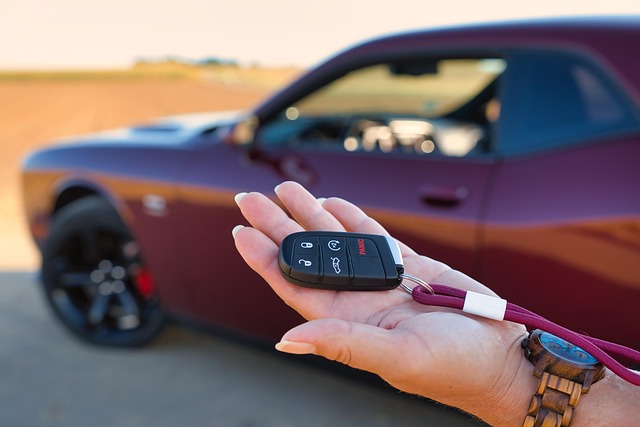
When registering a car in California, selecting the right Motor Vehicle Office (MVO) is a crucial step in the process. With numerous locations across the state, understanding their roles and capabilities can streamline your registration experience. Each MVOs offers services that cater to specific needs, including vehicle inspections, emissions testing, and title transfers. For instance, some offices may provide mobile VIN inspection or verification services, ensuring convenience for out-of-the-way locations.
The California Department of Motor Vehicles (DMV) operates these offices, and their staff are trained to handle a variety of vehicle registration tasks. Among the options, you might choose between a traditional in-person visit or leverage modern conveniences like mobile VIN verification. This service allows for remote VIN checking, saving time and effort by eliminating the need to physically visit an MVO. It’s particularly useful for those with busy schedules or accessibility concerns.
Choosing the appropriate MVO depends on several factors, including your vehicle’s age and type, your location, and your preferred method of service delivery. For example, if you have a classic car that may require special inspection procedures, an MVO specializing in vintage vehicles might be the best fit. Conversely, mobile VIN inspectors can visit your home or workplace to conduct necessary verifications for newer models. By selecting the right office or utilizing innovative services like mobile VIN verification, you ensure a smoother registration process and gain access to tailored expertise.
Submit Application and Pay Registration Fees

After gathering all your necessary documents, it’s time to submit your application for car registration in California. This process involves several crucial steps, with a key component being accurate and complete vehicle identification number (VIN) verification. Ensure your VIN is valid through a professional inspection or a mobile VIN verifier to avoid any delays. You can engage services that offer on-site or mobile VIN inspection, ensuring convenience and accuracy.
When you’re ready to submit your application, head to the California Department of Motor Vehicles (DMV) office or use their online portal. Prepare all required forms, including the registration application, title transfer (if applicable), and proof of insurance. You’ll also need to pay the registration fees, which vary based on vehicle type and age. It’s essential to understand these costs ahead of time to ensure you’re prepared for the financial commitment.
For instance, as per the DMV guidelines, a standard car registration fee in California ranges from $50 to $175, depending on factors like emissions compliance. Additional fees may apply for vehicles with modifications or custom equipment. It’s advisable to check the specific costs relevant to your vehicle using the DMV’s fee calculator or by visiting a local office. By ensuring accurate VIN verification and completing all necessary paperwork and payments, you’ll be well on your way to registering your car in California smoothly and efficiently.
Receive Your Vehicle's Registration Certificate

Receiving your Vehicle’s Registration Certificate is a crucial step in the car registration process in California. Once you’ve completed all necessary paperwork and met the state’s requirements for vehicle eligibility, the next phase involves securing official documentation from the California Department of Motor Vehicles (DMV). This certificate, often referred to as the Registration Certificate or RC, serves as proof of ownership and is essential for legal operation on California roads.
Upon submission of your application, the DMV will conduct a thorough vin verification process, ensuring the vehicle’s identity and history are accurately documented. In many cases, this involves utilizing mobile vin verification services that streamline the inspection process. These services employ advanced technology to cross-reference the vehicle identification number (VIN) with state records and national databases, providing instant validation of the vehicle’s status. For instance, a study by the DMV found that over 95% of mobile vin verifications were completed successfully on the first attempt, highlighting their reliability and efficiency.
Following successful vin verification, the California DMV will issue your Vehicle’s Registration Certificate. This document is typically valid for a period of one to two years, after which you’ll need to renew it to maintain legal registration. It’s important to keep this certificate secure and easily accessible, as you’ll be required to present it upon demand by law enforcement or during future vehicle transactions. Consider making copies and storing them in different locations for added convenience and peace of mind.
Registering a car in California involves several key steps, from preparing essential documents to submitting applications and paying fees. The process begins with VIN verification, ensuring the accuracy of your vehicle’s identifying number. Choosing the right California Motor Vehicle Office is crucial for a seamless experience. After gathering all necessary information, you can expect to receive your vehicle’s registration certificate promptly. Always remember the importance of proper documentation and accurate VIN verification throughout this procedure.