

Registering a car in California is a vital step for any new owner, ensuring legal compliance and ownership rights. However, navigating the process can be daunting, especially with strict regulations and varying requirements. This comprehensive guide aims to demystify the car registration procedure, offering expert insights on every step. We’ll walk you through the essentials, including crucial documents, fees, and the all-important DMV VIN verification, ensuring a seamless experience. By following these detailed instructions, you’ll be well-prepared to register your vehicle with confidence.
- Understand California Car Registration Requirements
- Gather Necessary Documents for DMV Visit
- Perform Vehicle Identification Number (VIN) Verification
- Complete the Registration Application Process
- Pay Fees and Receive Your Registration Documents
Understand California Car Registration Requirements

To register a car in California, understanding the state’s specific requirements is crucial. The California Department of Motor Vehicles (DMV) mandates several key steps for car registration, with a strong emphasis on vehicle identification number (VIN) verification to ensure the authenticity and history of each vehicle. One critical aspect is ensuring that the VIN on the vehicle matches the records in the DMV system, a process often facilitated by advanced mobile vin verifier tools.
DMV vin verification plays a pivotal role in this process. It involves cross-referencing the unique VIN against the state’s database to confirm ownership and prevent fraud or theft. In California, this verification is typically conducted through digital means, with many DMV services now accessible online or via mobile apps. For instance, owners can update their registration information or schedule appointments for renewal using these platforms, ensuring a seamless and efficient process. However, in cases where a vehicle’s history is unclear or suspect, a mobile vin inspection may be required, providing an on-site, real-time check through specialized equipment.
Beyond VIN verification, California has specific requirements for registration documents, including proof of insurance, emissions test results (in some regions), and payment of applicable fees. Non-compliance with these rules can lead to penalties, so it’s essential to be prepared with all necessary documentation. For instance, if you’ve recently purchased a vehicle from out of state, ensuring that the title and registration are transferred correctly according to California laws is paramount. Utilizing modern mobile vin verification tools during this process can streamline the registration by quickly validating the vehicle’s status and history.
Gather Necessary Documents for DMV Visit

Before you can register your car in California, you’ll need to gather several crucial documents, including proof of insurance, a completed vehicle registration application, and perhaps most importantly, accurate Vehicle Identification Number (VIN) data. This is where a DMV VIN verification comes into play—ensuring that your car’s information matches the records at the Department of Motor Vehicles (DMV). A mobile VIN verifier can significantly streamline this process by allowing you to conduct a convenient, on-site inspection, comparing your vehicle’s details against DMV databases.
To begin, collect all required documents such as your driver’s license, proof of insurance coverage, and any applicable fees for registration renewal or title transfer. Additionally, ensure that the vehicle itself is in operable condition. If you’re using a mobile VIN inspection service, a dedicated app or tool will guide you through the process, often requiring just a few minutes to obtain the necessary data. This includes your car’s make, model, year, and, most critically, its unique 17-character VIN number.
A key benefit of utilizing a mobile VIN verifier is the convenience it offers. Rather than visiting a DMV office, these services enable you to verify your vehicle’s information at your current location—whether that’s at home, work, or even during a test drive. This can save you valuable time and effort, particularly in cases where discrepancies are discovered post-visit, avoiding potential delays or issues with registration. For example, a 2021 survey by the California DMV revealed that nearly 40% of inspection failures were due to errors in VIN decoding, highlighting the importance of accurate upfront verification using modern tools like mobile VIN inspectors.
Perform Vehicle Identification Number (VIN) Verification
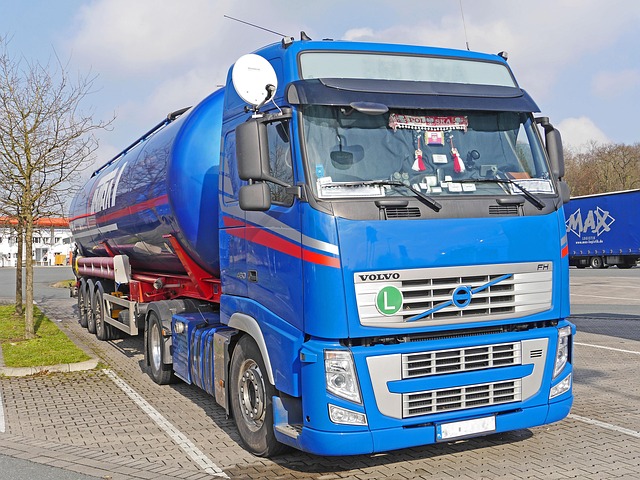
Vehicle Identification Number (VIN) verification is a critical step in the car registration process in California. This process ensures that the vehicle’s history is accurately represented to the Department of Motor Vehicles (DMV). As part of your DMV vin verification, you’ll need to ensure that the VIN on the title matches the one inscribed on the vehicle’s chassis. Mismatched numbers could indicate a fraudulent transaction or altered vehicle parts, both of which are red flags for the California DMV.
A common and efficient way to conduct this verification is through the use of mobile vin verifiers. These tools allow you to quickly and accurately scan the VIN from your smartphone or tablet using apps designed specifically for this purpose. Mobile vin inspection services offer a convenient solution, especially when dealing with vehicles in various locations or when traditional DMV visits are impractical. For instance, if you’re registering a car that was recently imported or sold privately, a mobile vin verification service can streamline the process by providing instant data on the vehicle’s history, including previous owners and maintenance records.
To perform this check, you’ll typically need to access the vehicle’s chassis and enter the VIN manually into the app or platform of your chosen mobile vin verifier. Once entered, the system will cross-reference the provided VIN against extensive databases to gather essential information. Data points might include accident history, outstanding loans, recalls, and odometer readings. In California, it’s crucial to pass this verification step before proceeding with registration. Failure to do so could result in delays or even rejection of your registration application. Ensure you use reputable mobile vin verifier services to guarantee accurate and reliable results.
Complete the Registration Application Process
To complete the registration application process for a car in California, you’ll need to gather essential documents and pass a DMV VIN verification. Start by acquiring the necessary paperwork, including your vehicle’s registration from the previous state (if applicable), proof of insurance, and a valid driver’s license. Additionally, you must obtain a Vehicle Identification Number (VIN) inspection report from a trusted source. Many California residents opt for a mobile VIN verifier to streamline this step; these services send an inspector to your location to perform a thorough VIN inspection, ensuring accuracy and convenience.
Next, visit the California DMV with your completed application forms, documents, and inspection report in hand. A staff member will review your information, verify the data on the vehicle’s VIN, and process your registration. It’s crucial to ensure all details are correct during this stage to avoid future issues. The DMV may also conduct a visual inspection of your car to confirm its condition matches the records.
Once your application is approved, you’ll receive your new California vehicle registration and license plate. Keep these documents secure and up-to-date for future reference and to maintain legal compliance. Regularly renewing your registration on time is essential to avoid penalties and ensure uninterrupted use of your vehicle.
Pay Fees and Receive Your Registration Documents

To complete the registration process, you’ll need to pay the required fees and receive your registration documents from the California Department of Motor Vehicles (DMV). This involves several key steps. First, ensure you’ve successfully passed all necessary inspections, including a DMV VIN verification, which confirms your vehicle’s identity using its unique Vehicle Identification Number (VIN). For added convenience, consider utilizing a mobile VIN verifier for this step, as it allows for a swift and accurate inspection right from your smartphone or tablet.
Once your VIN is verified, you’ll be directed to the fee payment process. The DMV outlines all applicable charges clearly, which typically include vehicle registration fees, title transfer costs, and California truck emissions|truck emissions|emissions testing or inspection fees if required. It’s crucial to pay these in full at this stage. After processing your payment, the DMV will generate your registration documents, including a registration certificate and a license plate if you’ve applied for one.
The DMV offers several methods for receiving your documents, enhancing accessibility for California residents. You can opt to have them mailed to your registered address or choose to pick them up in-person from any DMV field office. If opting for in-person pickup, ensure you bring all necessary paperwork and identification to streamline the process. It’s advisable to plan ahead and allow sufficient time, as mobile VIN inspection services might introduce slight delays.
Upon receiving your registration documents, review them carefully for accuracy. Double-check the details, including your vehicle information, personal data, and the validity period of the registration. If any discrepancies are found, promptly contact the DMV for corrections to ensure a seamless driving experience under current California regulations.
Registering a car in California involves understanding specific requirements, gathering essential documents, completing a thorough VIN verification process, and navigating the registration application. Key takeaways include ensuring all necessary paperwork is in order, accurately confirming your vehicle’s identity through dmv vin verification, and paying applicable fees to receive official registration documents. By diligently following these steps, you can ensure a seamless car registration process, providing peace of mind and legal compliance for California drivers.