

Looking to register your car in California? This comprehensive guide walks you through the entire process, from understanding eligibility requirements to receiving your official documents. First, ensure your vehicle meets state standards. Gather essential documents, including proof of ownership and identification. Next, perform a DMV-required Vehicle Identification Number (VIN) verification for accuracy. Complete the application, pay fees, and welcome to California’s road network with peace of mind. Remember, proper dmv vin verification is key!
- Understand Eligibility Requirements for Car Registration
- Gather Necessary Documents for DMV Visit
- Perform Vehicle Identification Number (VIN) Verification
- Complete Application and Pay Registration Fees
- Receive Your California Vehicle Registration Documents
Understand Eligibility Requirements for Car Registration

Before you begin the registration process, it’s crucial to understand the eligibility requirements set by the California Department of Motor Vehicles (DMV). To register your car in California, your vehicle must meet certain criteria. One key step is ensuring that your car has passed a safe and legal inspection, which often involves a vin inspection. The DMV requires a vin verification to ensure the vehicle’s identification number (VIN) is accurate and matches the specifications of the car.
Additionally, you’ll need to provide proof of insurance, have a valid driver’s license, and pay the required registration fees. If you’re using a mobile vin verifier or conducting a mobile vin inspection, make sure the service is reputable and approved by the DMV to avoid any issues during the registration process.
Gather Necessary Documents for DMV Visit
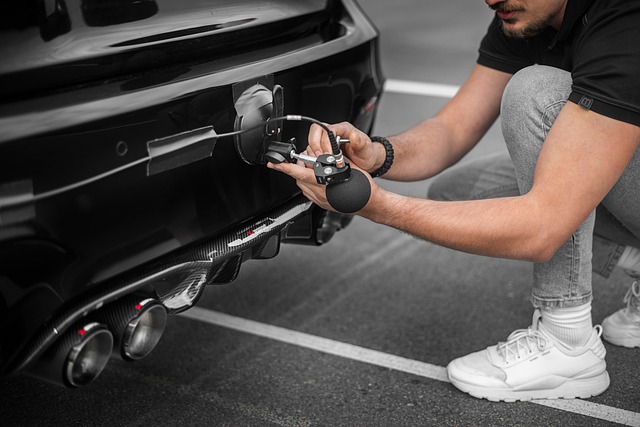
Before heading to the DMV, make sure you have all the required documents for a smooth registration process. One crucial document is the Vehicle Identification Number (VIN) verification report. This can be obtained through a mobile VIN inspection or by visiting a specialized service center. The VIN is a unique code that identifies your vehicle, and its verification is an essential part of the registration procedure in California.
Additionally, gather other essential papers such as proof of ownership, valid driver’s license, and current auto insurance policy. If you’re transferring the registration from another state, bring along the out-of-state title and any relevant documentation related to previous registrations or inspections. Having these documents ready ensures a faster and less stressful experience at the DMV.
Perform Vehicle Identification Number (VIN) Verification

Before you begin the registration process, it’s crucial to perform a Vehicle Identification Number (VIN) verification. This step is essential as it ensures the accuracy and legitimacy of your vehicle’s information. The California Department of Motor Vehicles (DMV) recommends this verification to safeguard against fraud and ensure that all details about your car are correct.
One convenient way to conduct this check is through a mobile vin verifier. These services allow you to easily input your VIN number and receive instant results, confirming the vehicle’s history and specifications. This can be done from the comfort of your home or while you’re on the go, making it an efficient option for those preparing to register their cars in California.
Complete Application and Pay Registration Fees

To register your car in California, the first step is to complete the Application for Title and Registration form, which can be done online or in-person at a DMV field office. This involves providing essential information about your vehicle, including its make, model, year, and unique Vehicle Identification Number (VIN). During this process, you’ll also need to present valid identification documents and proof of insurance. Once the application is filled out accurately, it’s time to move on to the payment stage.
The registration fees in California vary based on several factors, such as the type of vehicle, emission status, and weight. You can pay these fees online, over the phone, or in person using a debit or credit card, check, or money order. After successfully completing the application and paying the required fees, including any additional costs for optional services like a mobile vin verifier (or) mobile vin verification (or) vin inspection, you’ll receive your California vehicle registration and license plate.
Receive Your California Vehicle Registration Documents

After submitting your application for vehicle registration at the California DMV (Department of Motor Vehicles), you’ll receive important documents via mail. These include your official vehicle registration certificate and a unique Vehicle Identification Number (VIN) verification label. The VIN is a 17-character code that identifies your car, and it’s crucial for various processes like insurance claims and title transfers.
Ensure the accuracy of your VIN by conducting a mobile vin verification or vin inspection using a trusted mobile app or service. This step verifies that your vehicle’s details match the information on file with the DMV, streamlining future interactions with California’s transportation authorities.
Registering a car in California is a straightforward process that requires understanding the eligibility criteria, gathering essential documents, and completing the necessary steps at the DMV. By ensuring your vehicle’s VIN is verified and all paperwork is in order, you can promptly receive your California vehicle registration documents, making it easy to hit the road legally.