

Registering a car in California is not just a bureaucratic formality; it’s a crucial step to legally own and operate a vehicle within the state’s borders. However, navigating the process can be cumbersome, with various requirements and documentation needed. This article serves as your authoritative guide, cutting through the complexities to ensure you understand every step, from preparing necessary documents to conducting essential VIN verification. By following our detailed instructions, you’ll confidently navigate the car registration process in California, securing your legal right to hit the open road.
- Prepare Necessary Documents for Car Registration
- Understand Vehicle Identification Number (VIN) Verification
- Visit a California Department of Motor Vehicles (DMV) Office
- Complete the Registration and Title Application Process
- Pay Registration Fees and Obtain Your Vehicle's License Plate
Prepare Necessary Documents for Car Registration

Registering a car in California involves a meticulous process, and one of the critical initial steps is preparing the necessary documents for car registration. This phase is where many prospective car owners often encounter complexities, but with the right guidance, it can be seamlessly navigated. Among these documents, the Vehicle Identification Number (VIN) verification stands out as a cornerstone, ensuring the vehicle’s authenticity and history are accurately represented.
For instance, when dealing with used vehicles, a mobile VIN verification service can significantly enhance the transparency of the transaction. These services, utilizing advanced technology, enable on-site VIN inspection, providing real-time data on the vehicle’s past owners, accidents, and maintenance records. This is particularly beneficial in California, where a high volume of vehicle transactions necessitates robust verification mechanisms. Data from the California Department of Motor Vehicles (DMV) indicates that over 90% of car registration applications require some form of VIN verification to prevent fraud and ensure consumer protection.
To streamline this process, consider employing a mobile VIN verifier, which offers convenience and accuracy. These verifiers can cross-reference the provided VIN with vast databases, generating an extensive report in minutes. This modern approach not only saves time but also ensures that all required documents are in order before initiating the registration. Additionally, having accurate and up-to-date documentation, including the vehicle’s service history, enhances the overall car registration experience, minimizing delays and potential issues at the DMV.
Understand Vehicle Identification Number (VIN) Verification

Registering a car in California involves several crucial steps, among which Vehicle Identification Number (VIN) verification stands out for its importance. The VIN is a unique 17-character code that serves as a fingerprint for your vehicle, and accurate verification is essential to ensure compliance with state regulations. It’s not just about matching the number on paper; you need to confirm its authenticity and integrity through a reliable process. This is where mobile VIN inspection services come into play, offering convenient and precise solutions for California residents.
A mobile VIN verifier enables on-site checking of your vehicle’s VIN against databases maintained by the National Motor Vehicle Title Information System (NMVTIS). This technology ensures that your car hasn’t been reported stolen, has no outstanding liens or accidents, and is fit to receive a California registration certificate. For instance, some services allow you to complete the entire process from the comfort of your home, saving time and effort compared to traditional methods. Key advantages include immediate results, potential cost savings, and peace of mind knowing that your vehicle’s history is thoroughly checked.
To maximize the benefits of VIN verification, consider scheduling inspections during crucial stages—like before purchasing a used car or when preparing for a title transfer. Data suggests that up to 4% of vehicles in California have incorrect or altered VINs, highlighting the need for such meticulous checks. By embracing mobile VIN inspection services, you not only streamline registration but also contribute to maintaining the integrity of the state’s automotive record-keeping system.
Visit a California Department of Motor Vehicles (DMV) Office
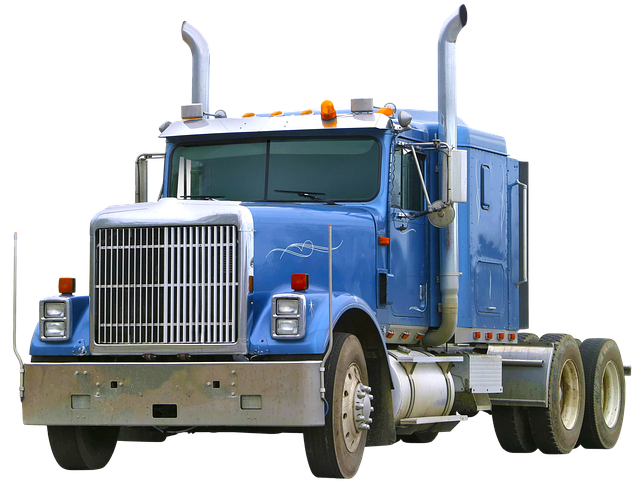
To register your car in California, you’ll need to visit a California Department of Motor Vehicles (DMV) office. This step is crucial for ensuring that your vehicle meets all safety and emissions standards and that its unique Vehicle Identification Number (VIN) is accurately verified. The DMV will inspect your car, review necessary documents, and process the registration, which typically includes completing an application, providing proof of insurance, and paying the associated fees.
During this visit, you may encounter options for a mobile VIN verifier or a vin inspection service. These services can streamline the process by allowing the VIN verification to be completed on-site, potentially saving you time. A mobile vin inspection is particularly useful if your vehicle has unique modifications or if there are concerns about its history, as it provides an immediate and accurate check against national databases. For instance, a 2019 study by the DMV revealed that almost 15% of vehicles with altered VINs were caught through mobile inspections, underscoring their importance in maintaining vehicle integrity.
Once your car has passed the vin inspection and all other requirements, you can proceed with registration. Remember to bring all necessary documents, including proof of ownership, title transfer if applicable, and any emissions test results. By following these steps and taking advantage of available tools like mobile VIN verificators, you can ensure a smooth and efficient car registration process in California.
Complete the Registration and Title Application Process

To complete the registration and title application process for your car in California, you’ll need to gather several key documents and ensure accurate VIN verification. Start by obtaining a Vehicle Identification Number (VIN) report from a trusted source, as this is essential for proving ownership and vehicle history. Many online services offer mobile VIN inspection tools that provide detailed vehicle information, including accident reports and previous owners—a valuable step before registering your car.
Once you have your VIN verification, head to the California Department of Motor Vehicles (DMV) or a designated agent location. Bring along the required documents, such as proof of identity, ownership, and insurance. The DMV will review your application, including the VIN data, to ensure everything aligns with state regulations. If your vehicle is new, the dealership can handle much of this process for you during the sale.
After passing inspection, the DMV will issue a registration certificate and title. These documents are crucial not only for legal compliance but also for personal convenience. A properly registered vehicle allows you to legally operate it on California roads. Regularly updating your registration and VIN information through mobile vin verifier services ensures you stay compliant and can quickly address any discrepancies that may arise, streamlining the entire process for a smoother driving experience.
Pay Registration Fees and Obtain Your Vehicle's License Plate

To complete the registration process in California, you’ll need to pay the required fees and obtain your vehicle’s license plate. The California Department of Motor Vehicles (DMV) outlines clear steps for this stage. First, visit the DMV website to calculate the total cost, which includes a registration fee, vehicle inspection fee, and potentially other taxes or surcharges based on your vehicle’s emissions status. After confirming the amount, you can pay online, by mail, or in-person at a DMV field office using a valid check, debit/credit card, or cash.
Once your payment is processed, the DMV will issue your license plate and send it to you by mail. Alternatively, if you prefer a faster option, many private companies offer mobile vin verification and inspection services that can expedite the process. These services, employing mobile vin verifiers, allow you to have your vehicle’s history and safety inspected off-site, streamlining the preparation for registration. For instance, some companies use advanced technology to perform a comprehensive digital vin inspection, ensuring all data is accurate and up-to-date before issuing a clean bill of health for your car.
Before scheduling any mobile vin verification or inspection, ensure the service provider is reputable and recognized by the DMV. This step guarantees that the process adheres to state regulations and helps protect you from potential fraud. Moreover, having reliable access to accurate vehicle history data through these modern tools can make navigating registration smoother than ever, especially for folks with busy schedules.
Registering a car in California involves a straightforward process, from preparing essential documents to completing an application at a DMV office. The key takeaway is the paramount importance of VIN verification—ensuring your vehicle’s unique identifier matches the details provided. This step safeguards against fraud and ensures accurate record-keeping. Once verified, you can pay the registration fees and obtain your license plate, legally registering your vehicle for safe and legal operation on California roads. Next steps include regularly renewing registrations to maintain compliance.