

Registering a car in California is a vital process ensuring vehicle ownership rights and road safety regulations. However, navigating the bureaucratic maze can be challenging for new owners. This comprehensive guide aims to demystify the procedure, empowering folks to effortlessly navigate this essential task. We’ll detail each step, from gathering necessary documents to utilizing reliable tools like VIN verifiers, ensuring a seamless experience. By following our expert advice, you’ll be well-prepared to register your vehicle with confidence and ease.
- Prepare Your Vehicle Documentation
- Obtain Necessary Identification and Proof
- Use a VIN Verifier for Accuracy
- Visit a California DMV Office
- Finalize Registration and Pay Fees
Prepare Your Vehicle Documentation

Before you register your car in California, ensure your vehicle documentation is complete and accurate. This process begins with verifying the Vehicle Identification Number (VIN) to prevent fraud and ensure the car’s history is accurately represented. Utilize a reliable VIN verifier, such as those offered by mobile VIN inspection services, to cross-reference the information against vast databases. These services not only validate the VIN but also provide detailed vehicle history reports, including ownership records, accident histories, and outstanding recalls—essential data for both buyers and sellers.
For instance, a 2015 study by the California Department of Motor Vehicles (DMV) revealed that approximately 17% of vehicles with reported accidents were successfully registered with altered or falsified information. This underscores the critical importance of thorough VIN inspection. Mobile VIN verifiers streamline this process by offering on-site inspections, saving you time and effort. They’re particularly beneficial for older vehicles or those with complex histories, where traditional paperwork might be lacking or inconsistent.
In addition to using a mobile VIN verifier, gather essential documents like the title, registration, and proof of insurance. Ensure these are free from errors and up-to-date. It’s also wise to check for any outstanding fines or liens associated with the vehicle. Proper preparation ensures a smoother registration process and helps prevent potential issues down the road, including delays or penalties.
Obtain Necessary Identification and Proof

Before you can register your car in California, you’ll need to gather essential documents and proofs of identification. This process ensures that vehicle ownership is properly verified, a crucial step for both legal compliance and personal security. One vital component of this verification process involves utilizing a Vehicle Identification Number (VIN) verifier. The California Department of Motor Vehicles (DMV) accepts mobile VIN verification as a legitimate method to establish the authenticity of your car’s VIN. This can be particularly convenient, especially when dealing with out-of-state purchases or hard-to-reach vehicles.
For instance, if you’re buying a car from another state and need to register it in California, a mobile VIN inspection can help streamline the process. Professional inspectors use specialized tools and databases to cross-reference the provided VIN with manufacturer records, ensuring its validity. This method is not only efficient but also secure, as these verifiers adhere to strict industry standards. For example, some companies offer real-time data checks, providing instant verification that can be crucial when navigating complex bureaucratic processes.
When preparing for car registration, ensure you have your vehicle’s VIN readily available. This unique 17-character code is usually located on the vehicle’s certificate of title or registration, or on a sticker inside the driver’s door jamb. If obtaining a new title or registering a classic car, a mobile vin verifier can be particularly useful. These tools not only confirm ownership but also help identify any potential issues with the vehicle’s history, ensuring a smoother registration process and peace of mind for California drivers.
Use a VIN Verifier for Accuracy
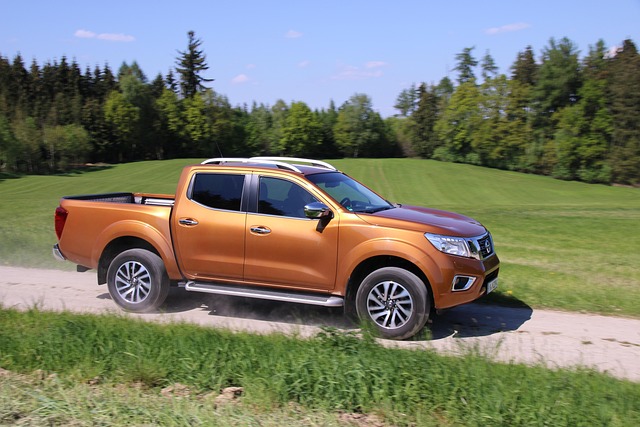
When registering a car in California, ensuring accuracy is paramount to avoid legal issues and potential delays. One crucial step often overlooked is utilizing a VIN (Vehicle Identification Number) verifier for the initial inspection process. This verification method is an essential tool that provides a comprehensive overview of a vehicle’s history, including any prior damage or accidents not immediately apparent during a visual inspection.
A VIN verifier acts as a digital detective, cross-referencing your car’s unique identification number against vast databases containing service records, ownership histories, and reported incidents. This technology enables users to perform mobile vin verification directly from their smartphone or computer, making it a convenient option for California residents navigating the registration process. By employing these tools early on, you can identify potential red flags and address them proactively before proceeding with registration.
For instance, imagine discovering that your prospective vehicle was subject to a recall due to a safety issue that has since been remedied. This information, accessed through a mobile vin verifier, could significantly impact your decision-making process. Alternatively, identifying signs of previous repair work or suspicious mileage discrepancies early on ensures you’re aware of all potential challenges and can plan accordingly during the registration phase. California’s strict regulations demand meticulous attention to detail, making this digital inspection tool an invaluable asset for both professional mechanics and discerning car buyers.
Regular VIN inspections, whether conducted by a professional or through readily available mobile vin verification services, foster transparency throughout the car registration process in California. This practice not only simplifies the paperwork but also helps create a safer and more reliable automotive environment for all residents. By embracing this modern technology, you gain peace of mind knowing that every step is taken to ensure accuracy and compliance with state regulations.
Visit a California DMV Office
To register your car in California, visiting a DMV office is a crucial step in the process. This physical interaction ensures that you have all the necessary documents and provides an opportunity to conduct a thorough VIN inspection. The Vehicle Identification Number (VIN) is a unique code that identifies your vehicle, and its verification is a critical part of the registration procedure. At the DMV, a trained official will examine the VIN using advanced tools, often including mobile VIN verifiers, to cross-reference it with their databases and ensure authenticity. This step safeguards against fraud and helps maintain the integrity of California’s vehicle registration system.
During your visit, you’ll need to present several documents, such as proof of ownership, a valid driver’s license, and current insurance cards. If you’ve recently purchased a vehicle, ensure that you have the title in hand, as it will be transferred during the registration process. The DMV official will guide you through the steps, which may include filling out forms, paying registration fees, and taking environmental fees into account. They might also offer additional services like titling a vehicle or replacing a lost registration, depending on your needs.
While traditional in-person visits to the DMV are still prevalent, California offers modern alternatives to streamline the process. Mobile VIN verification services can be utilized for remote checks, providing convenience and saving time. These services employ digital tools to scan and validate the VIN, offering a swift and accurate method to ensure compliance before heading to the DMV. Whether you’re doing it yourself or availing of professional assistance, ensuring your vehicle’s VIN is legitimate is an essential step in registering your car in California.
Finalize Registration and Pay Fees

After gathering all necessary documents and verifying your vehicle’s information through a VIN verifier like the California Department of Motor Vehicles (DMV) offers, the next step in registering your car involves finalizing the process and paying the required fees. This critical phase ensures that your vehicle is legally registered and ready for road use.
To finalize registration, you’ll need to complete an application form, typically Form MV-56, which serves as the “Certificate of Ownership and Registration.” Fill it out accurately, providing detailed information about your vehicle, including its make, model, year, and unique Vehicle Identification Number (VIN). This step is crucial for accurate record-keeping and future reference. Once completed, submit the form along with all required documents and fees to a DMV field office or, in some cases, via mail.
Fees associated with car registration in California vary based on several factors, including your vehicle’s type, age, and emissions status. As of recent updates, expect to pay around $50 for most vehicles, though older models or those with higher emissions may incur additional charges. You can also opt for longer registration periods, typically up to three years, which might offer a slight discount compared to shorter terms. To streamline the process, consider utilizing mobile VIN inspection and verification services that can assist in accurate data entry and ensure your application’s correctness from the outset, potentially saving you time and hassle down the line.
By meticulously preparing your vehicle documentation, possessing the required identification and proof, and utilizing a VIN verifier for accuracy, you’ve taken significant steps towards registering your car in California. Visiting a DMV office allows for the necessary interactions and paperwork completion. Ultimately, finalizing the registration process and paying the associated fees secure your vehicle’s legal status within the state. This structured approach ensures compliance and peace of mind, confirming that your California car registration is both complete and accurate with the help of modern verification tools like a VIN verifier.